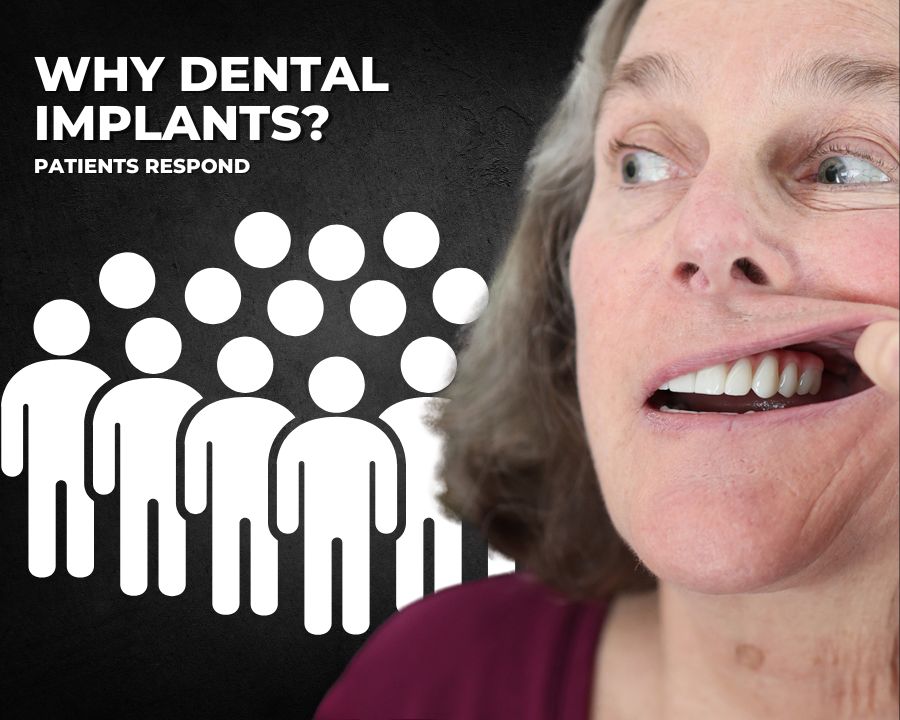
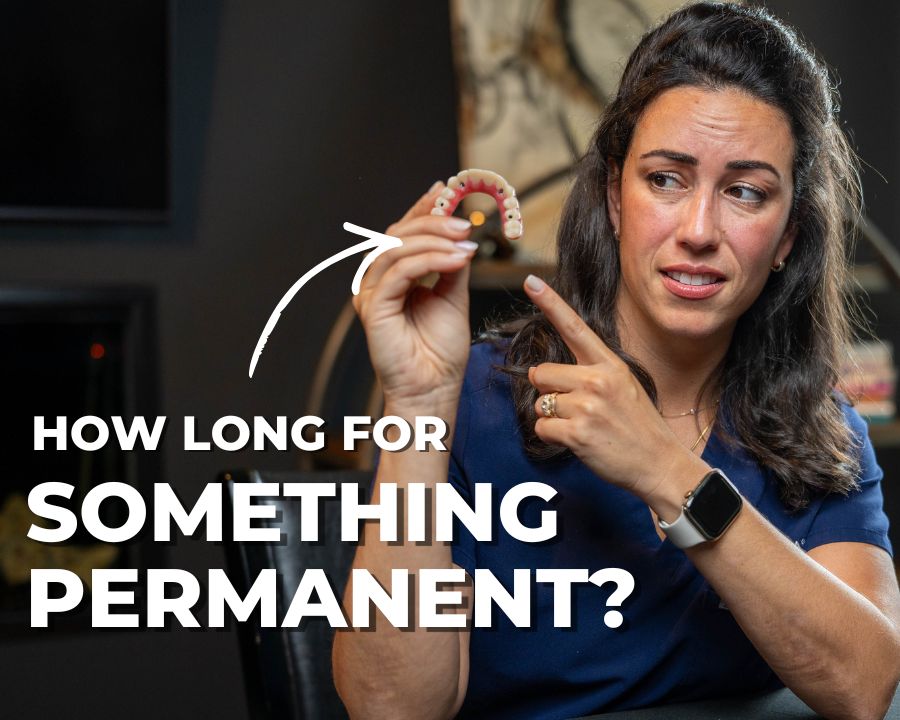
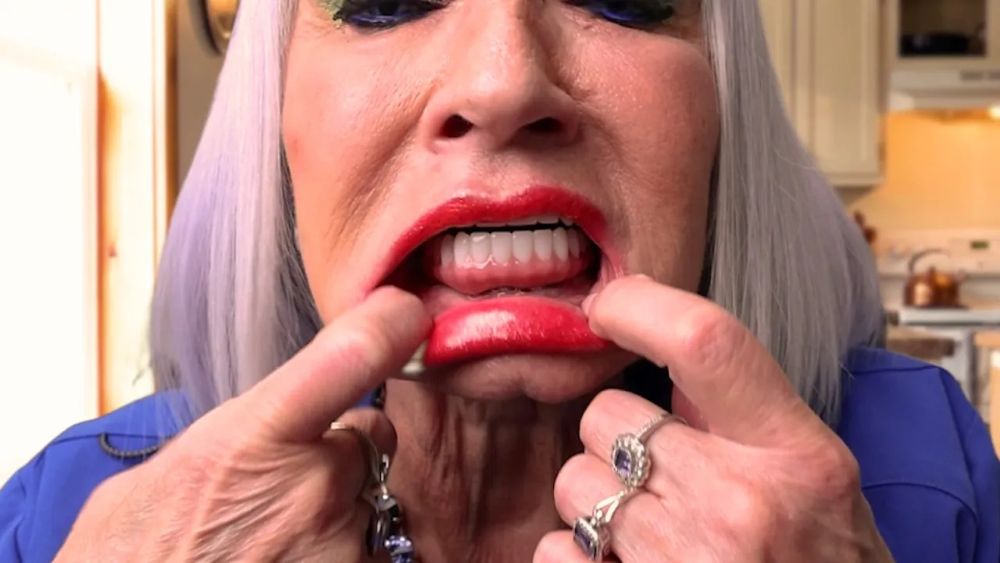
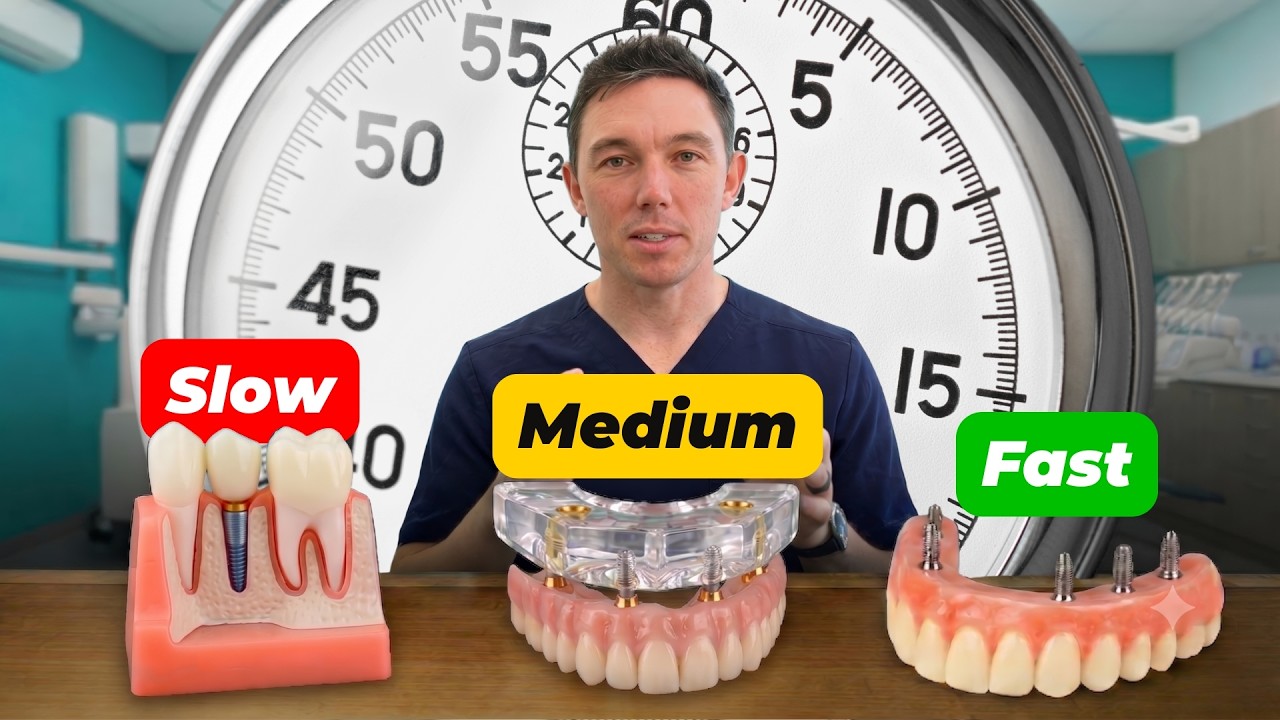
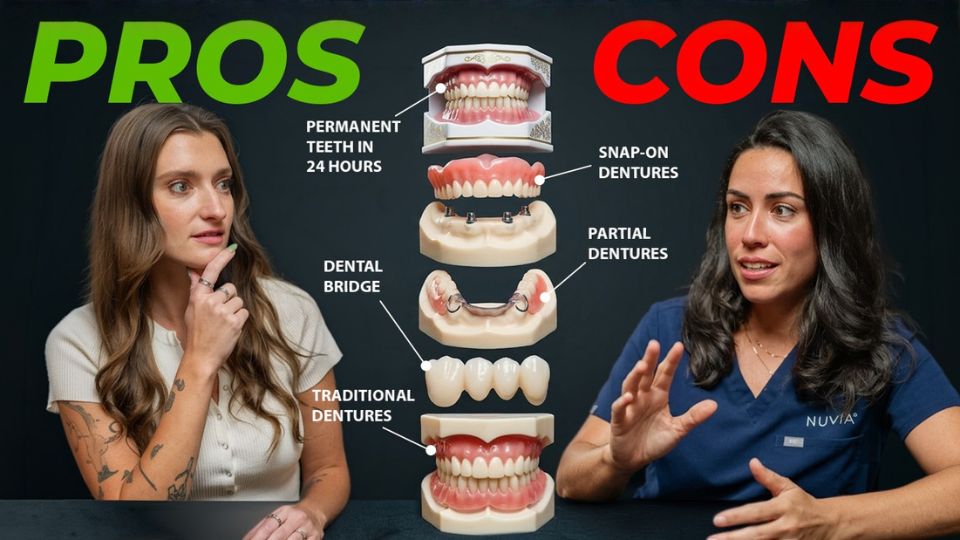
Before getting dentures or implants here's five things I wish I would have known before getting them. And I know you're worried about cost, but we're going to talk about that a little bit later. So my teeth were pretty bad. They were cold sensitive. I would cover my mouth when I laughed or I would just laugh with my mouth closed. And if you're watching this video, you probably are there too. I had the wiggly teeth. I had to have root canals. I had to have crowns that would keep falling off. It was a nightmare. It was a dental nightmare. I didn't realize how much dental anxiety I had around my teeth and the insecurities that it was causing me, the selection I had to make when I was finding what I could eat and what I couldn't eat. So if you're like me, I wanted to gravitate towards something that was a quick fix and economical. So I went to a denture. And it was great because the next day I had a brand new smile. However, you're just trading one problem for another because if you're in a denture for too long, you're gonna notice that you can't taste food. You're still having trips to the dentist because you've gotta do a reline and a liner and an adjustment, and you have denture sores, and the list just goes on and on and on. And you just trade one problem and you start to spiral this other complete way. And actually, if you're wearing it for too long, you're going to end up with bone loss. And that's a bigger problem for down the road. The cool thing about dental implants is that the palate is open and you can actually taste your food. The difference between that and a denture is this covers your palate and it literally rests on your gag reflex. With a denture, you have to have the palatal part because that's what actually keeps the denture in your mouth. But it also rests on your gag reflex, and a lot of people just can't tolerate that. With a dental implant, these are anchored into your bone so you don't have that problem that you do with this. So you guys can see the difference. Realistically, which one would you want in your mouth? And you probably don't know this, but if you're in a denture for too long, your bone is gonna shrink. And ultimately, when you're ready to go get dental implants, you're not gonna have enough bone, and you'll be disqualified. Even if you have all the money in the world, if you don't have enough bone, you won't be able to get dental implants. I've heard and I've seen many people be turned away because of their severe bone loss, and I don't want to see that happen to you. So if you're thinking about it, don't procrastinate. Get in there, check your bone, and see if you're a candidate. Luckily for me, I did have enough bone to get dental implants, but I wish someone would have told me that the clock was ticking. If you're watching this video, then you probably already know how much time and money you've spent going to the dentist only to be having root canals and crowns and fillings. And I personally had a broken file in one of my teeth. Like the the dental trauma goes on and on and on and on. You've probably been out to dinner to eat and you've had a piece of bread and a piece of your tooth is chipped off. Or you've gone to the dentist with an abscess and you go in and you have to have a root canal, but he only temporizes it. Then you have to go back for the actual root canal. And then you have to go back for the crown. And then it's just one cost after another, after another, and it's just endless. It just piles up. And then you have children that have dental work or braces, and it just goes and goes and goes. And it's like an endless cycle of how much do I have to pay for actual dental care. If you think about it and you add up all the money you've spent on temporary fixes for your dental care, if you're anything like me, it's close to six figures. I started having root canals when I was fourteen years old. So it's a lifelong, endless hole of debt. With dental implants, like the ones I have in my mouth, it's one and done. You don't ever have toothaches again, no root canals, no abscesses, No surprise bills. No emergency visits. These are the real deal, and they're awesome. And if you're worried about cost, Nuvia does have a cost guide that can potentially save you thousands. I'll leave the link for you below. And if you can do me a favor and hit the like and subscribe button, I would love for this video to get out and help as many people as it can. I wish I knew I could get dental implants in twenty four hours. So I've actually had this done twice. The first time was the traditional way, which is the long way. It took months and months and months. It was not done by Nuvia. I had to go through several try ins and healing and shade changes, and was really just on the labs time. And during all of that process, my temporary actually cracked and it was so scary because I was worried that my implants were going to fail And I would not recommend going that way to anybody. I mean, let's be real. If you're going to have a major surgery, do you want to sign up for something that's going to take months and months and months? Or do you want the one that just takes twenty four hours? So ultimately, my dental journey inspired me to want to work in dentistry so that I could help other people with the same problems that I struggled with. I now work at Nuvia, and they were able to give me my teeth in twenty four hours. And now I see it on a daily basis. People get permanent teeth in twenty four hours. I wish I knew how life changing this was. So when we have patients come in and they're so insecure and they have no confidence, they're not even confident that we can help them. They just go ahead and take the jump and choose us to go on the journey with them. And we are so fortunate on a daily basis to be able to change people's lives in twenty four hours from surgery. It's amazing. It's rewarding. And I personally, since I have dental implants, I know how that changes a person's life. And so I feel very fortunate that I get to do that on a daily basis.
**Actual NUVIA patient(s) who may have been compensated for sharing their story. Not all those who come in for a consultation are eligible for this treatment. Results may vary in individual cases.
The Real Cost of Dentures Over Time
The real reason dentures are not as economical as they’re framed to be is that they aren’t designed to be a permanent solution.
Dentures are not a one-time purchase. They're an ongoing commitment — to the dentist's chair, to maintenance products, and to a set of limitations most people don't anticipate going in.
Unfortunately, many people find out too late that dentures are not the tooth replacement solution they hoped for, and instead come with drawbacks of their own.
What denture wearers actually pay for, month after month:
- Relines and adjustments — as your jaw changes shape over time (and it likely will), your dentures need to be refitted regularly, typically every one to two years
- Denture adhesives and cleaning products — small costs that add up to hundreds of dollars a year, every year
- Repair visits for cracks, breaks, or ill-fitting plates
- Treatment for denture sores — a common and painful side effect of having hard plastic rest on your gums
- Replacement dentures typically every five to eight years as the fit degrades and the jawbone shrinks
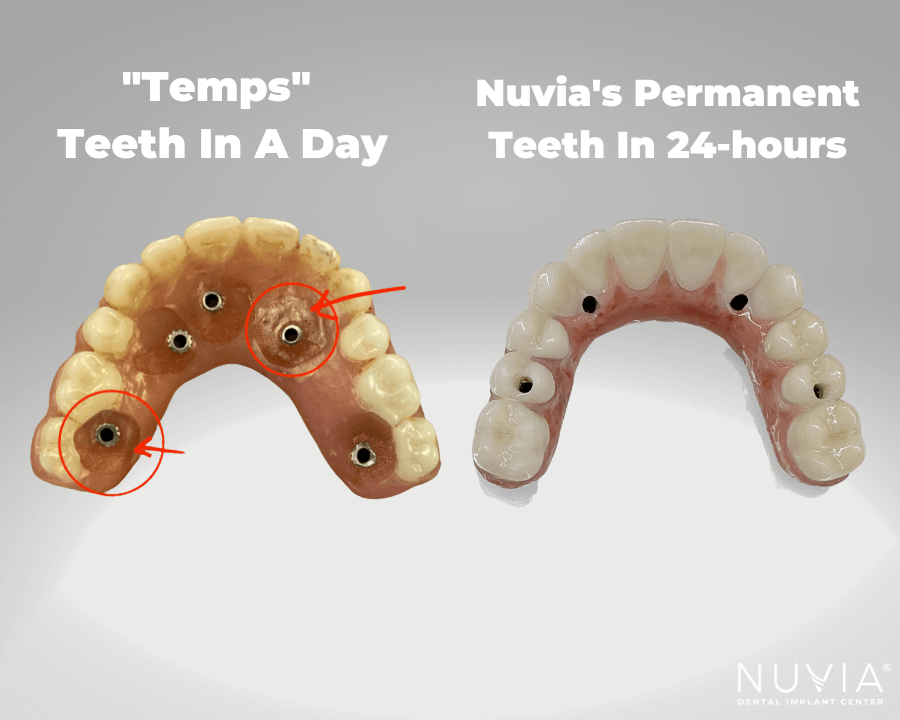
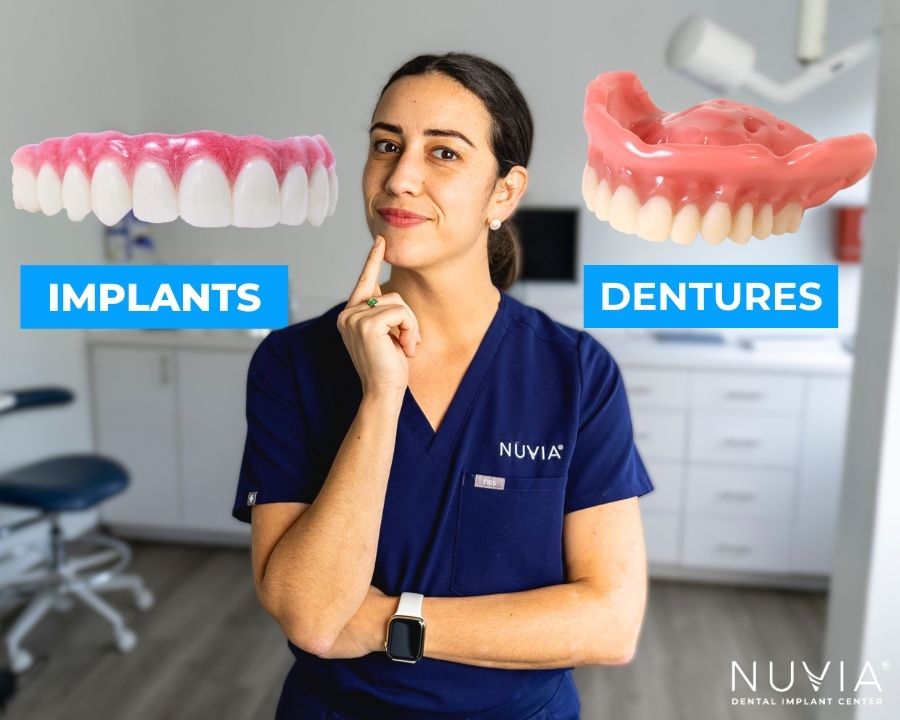
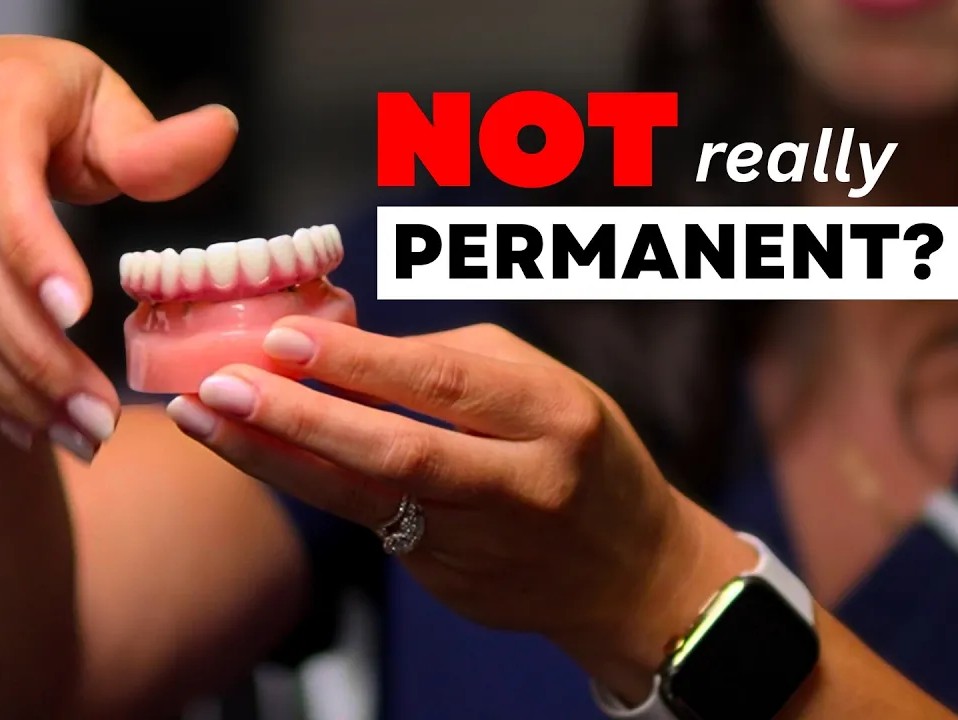
And then there's the quality of life cost that doesn't show up on any bill. Dentures cover the palate — the roof of your mouth — because that's what keeps them in place.
That coverage dulls your ability to taste food. It can also trigger a gag reflex, which many wearers never fully adjust to.
"You're just trading one problem for another... you start to spiral this other complete way."
— Nuvia patient and team member, reflecting on her time in dentures
Before getting dentures or implants here's five things I wish I would have known before getting them. And I know you're worried about cost, but we're going to talk about that a little bit later. So my teeth were pretty bad. They were cold sensitive. I would cover my mouth when I laughed or I would just laugh with my mouth closed. And if you're watching this video, you probably are there too. I had the wiggly teeth. I had to have root canals. I had to have crowns that would keep falling off. It was a nightmare. It was a dental nightmare. I didn't realize how much dental anxiety I had around my teeth and the insecurities that it was causing me, the selection I had to make when I was finding what I could eat and what I couldn't eat. So if you're like me, I wanted to gravitate towards something that was a quick fix and economical. So I went to a denture. And it was great because the next day I had a brand new smile. However, you're just trading one problem for another because if you're in a denture for too long, you're gonna notice that you can't taste food. You're still having trips to the dentist because you've gotta do a reline and a liner and an adjustment, and you have denture sores, and the list just goes on and on and on. And you just trade one problem and you start to spiral this other complete way. And actually, if you're wearing it for too long, you're going to end up with bone loss. And that's a bigger problem for down the road. The cool thing about dental implants is that the palate is open and you can actually taste your food. The difference between that and a denture is this covers your palate and it literally rests on your gag reflex. With a denture, you have to have the palatal part because that's what actually keeps the denture in your mouth. But it also rests on your gag reflex, and a lot of people just can't tolerate that. With a dental implant, these are anchored into your bone so you don't have that problem that you do with this. So you guys can see the difference. Realistically, which one would you want in your mouth? And you probably don't know this, but if you're in a denture for too long, your bone is gonna shrink. And ultimately, when you're ready to go get dental implants, you're not gonna have enough bone, and you'll be disqualified. Even if you have all the money in the world, if you don't have enough bone, you won't be able to get dental implants. I've heard and I've seen many people be turned away because of their severe bone loss, and I don't want to see that happen to you. So if you're thinking about it, don't procrastinate. Get in there, check your bone, and see if you're a candidate. Luckily for me, I did have enough bone to get dental implants, but I wish someone would have told me that the clock was ticking. If you're watching this video, then you probably already know how much time and money you've spent going to the dentist only to be having root canals and crowns and fillings. And I personally had a broken file in one of my teeth. Like the the dental trauma goes on and on and on and on. You've probably been out to dinner to eat and you've had a piece of bread and a piece of your tooth is chipped off. Or you've gone to the dentist with an abscess and you go in and you have to have a root canal, but he only temporizes it. Then you have to go back for the actual root canal. And then you have to go back for the crown. And then it's just one cost after another, after another, and it's just endless. It just piles up. And then you have children that have dental work or braces, and it just goes and goes and goes. And it's like an endless cycle of how much do I have to pay for actual dental care. If you think about it and you add up all the money you've spent on temporary fixes for your dental care, if you're anything like me, it's close to six figures. I started having root canals when I was fourteen years old. So it's a lifelong, endless hole of debt. With dental implants, like the ones I have in my mouth, it's one and done. You don't ever have toothaches again, no root canals, no abscesses, No surprise bills. No emergency visits. These are the real deal, and they're awesome. And if you're worried about cost, Nuvia does have a cost guide that can potentially save you thousands. I'll leave the link for you below. And if you can do me a favor and hit the like and subscribe button, I would love for this video to get out and help as many people as it can. I wish I knew I could get dental implants in twenty four hours. So I've actually had this done twice. The first time was the traditional way, which is the long way. It took months and months and months. It was not done by Nuvia. I had to go through several try ins and healing and shade changes, and was really just on the labs time. And during all of that process, my temporary actually cracked and it was so scary because I was worried that my implants were going to fail And I would not recommend going that way to anybody. I mean, let's be real. If you're going to have a major surgery, do you want to sign up for something that's going to take months and months and months? Or do you want the one that just takes twenty four hours? So ultimately, my dental journey inspired me to want to work in dentistry so that I could help other people with the same problems that I struggled with. I now work at Nuvia, and they were able to give me my teeth in twenty four hours. And now I see it on a daily basis. People get permanent teeth in twenty four hours. I wish I knew how life changing this was. So when we have patients come in and they're so insecure and they have no confidence, they're not even confident that we can help them. They just go ahead and take the jump and choose us to go on the journey with them. And we are so fortunate on a daily basis to be able to change people's lives in twenty four hours from surgery. It's amazing. It's rewarding. And I personally, since I have dental implants, I know how that changes a person's life. And so I feel very fortunate that I get to do that on a daily basis.
The Real Cost of Dentures Over Time
The real reason dentures are not as economical as they’re framed to be is that they aren’t designed to be a permanent solution.
Dentures are not a one-time purchase. They're an ongoing commitment — to the dentist's chair, to maintenance products, and to a set of limitations most people don't anticipate going in.
Unfortunately, many people find out too late that dentures are not the tooth replacement solution they hoped for, and instead come with drawbacks of their own.
What denture wearers actually pay for, month after month:
- Relines and adjustments — as your jaw changes shape over time (and it likely will), your dentures need to be refitted regularly, typically every one to two years
- Denture adhesives and cleaning products — small costs that add up to hundreds of dollars a year, every year
- Repair visits for cracks, breaks, or ill-fitting plates
- Treatment for denture sores — a common and painful side effect of having hard plastic rest on your gums
- Replacement dentures typically every five to eight years as the fit degrades and the jawbone shrinks
And then there's the quality of life cost that doesn't show up on any bill. Dentures cover the palate — the roof of your mouth — because that's what keeps them in place.
That coverage dulls your ability to taste food. It can also trigger a gag reflex, which many wearers never fully adjust to.
"You're just trading one problem for another... you start to spiral this other complete way."
— Nuvia patient and team member, reflecting on her time in dentures
The Hidden Cost Nobody Warns You About: Bone Loss
Here's the piece of the denture conversation that most providers often gets skipped entirely: dentures don't just sit in your mouth. Over time, they actively contribute to the deterioration of the bone beneath them.
When natural tooth roots are gone, your jawbone no longer receives the stimulation it needs to maintain its density. Dentures rest on the gums and do nothing to replace that stimulation.
The result is commonly gradual, progressive bone loss — a process that can reshape your face, change your bite, and ultimately make your dentures fit worse and worse over time.
The consequence that stops many patients cold: once bone loss is significant enough, dental implants are no longer possible. Implants require adequate bone density to anchor into. Patients who wait too long — even patients who have the resources to pay for implants — can be turned away because the window has closed.
⚠ Important
If you're currently in dentures and considering implants, the time to check your bone is now — not after another year or two. Bone loss is silent and progressive, and it doesn't wait for you to be ready. A consultation can tell you exactly where you stand.
"I've heard and seen many people be turned away because of their severe bone loss, and I don't want to see that happen to you. So if you're thinking about it, don't procrastinate."
The Endless Cycle of Temporary Dental Fixes
For many people, the path to dentures isn't a clean or simple decision — it's the end of a long, expensive road of temporary patches. Root canals. Crowns. Fillings. Emergency visits for abscesses. One appointment that turns into three. One bill that turns into five.
Here's how that cycle can often look:
- A tooth becomes infected → emergency visit → temporary treatment
- A follow-up root canal → another appointment → crown placement
- The crown fails or another tooth cracks → back to square one
- Repeat across multiple teeth, often over years or decades
Every step in that cycle costs money. And none of it resolves the underlying problem — it just delays it.
When patients add up what they've spent on temporary dental care over the years, the number is often shocking. For some, it's close to six figures. That's not a hypothetical — that's what prolonged, reactive dental care actually costs when the bills are laid out side by side.
"If you think about it and you add up all the money you've spent on temporary fixes for your dental care, if you're anything like me, it's close to six figures. I started having root canals when I was fourteen years old. So it's a lifelong, endless hole of debt."
This is the context that makes dental implants look different. Not cheaper on day one — but dramatically less expensive when measured against a lifetime of reactive, temporary care.
What Dental Implants Actually Cost You (And What They Don't)
Dental implants are a one-time investment. Once they're in and healed, there are no relines, no adhesives, no palate coverage, no adjustments for shifting bone. Implants are anchored directly into the jaw, which means they also stimulate bone — preventing the loss that dentures accelerate.
Here's what implant patients stop paying for:
- Toothaches and the visits they generate
- Root canals, crowns, and fillings on failed teeth
- Denture adhesives, relines, and replacement appliances
- Emergency visits for abscesses or cracked restorations
- The ongoing mental and emotional cost of hiding your smile
"With dental implants, it's one and done. You don't ever have toothaches again, no root canals, no abscesses, no surprise bills, no emergency visits."
Dentures vs. Dental Implants: The Full Cost Comparison
|
Dentures |
Dental Implants (Nuvia) |
| Initial Cost |
Lower upfront |
Higher upfront — one time |
| Relines & Adjustments |
Frequently ongoing — every 1–2 years |
None outside of the healing phase |
| Adhesives & Products |
Monthly, indefinitely |
No adhesives |
| Denture Sores & Visits |
Can be frequent for issues that come up |
No denture sores and just annual check ins |
| Bone Loss Risk |
Yes — accelerates over time |
No — implants preserve bone |
| Ability to Taste Food |
Reduced (palate is covered) |
Full — open palate |
| Replacement Timeline |
Every 5–8 years |
Designed to last a lifetime with proper care |
| 20-Year True Cost |
Often rivals or exceeds implants |
Fixed — no surprises |
When the full picture is visible, comparing affordable dentures and implants can be surprising. For most patients who are candidates, dental implants represent a better financial decision over any horizon longer than a few years — and an incomparably better quality of life at every point along the way.
One Patient's Journey: Dentures, Then Implants, Then Nuvia
The most honest account of what it's actually like to choose dentures over implants — and then switch — often comes from someone who has lived both. One Nuvia team member has done exactly that. Twice.
Where It Started
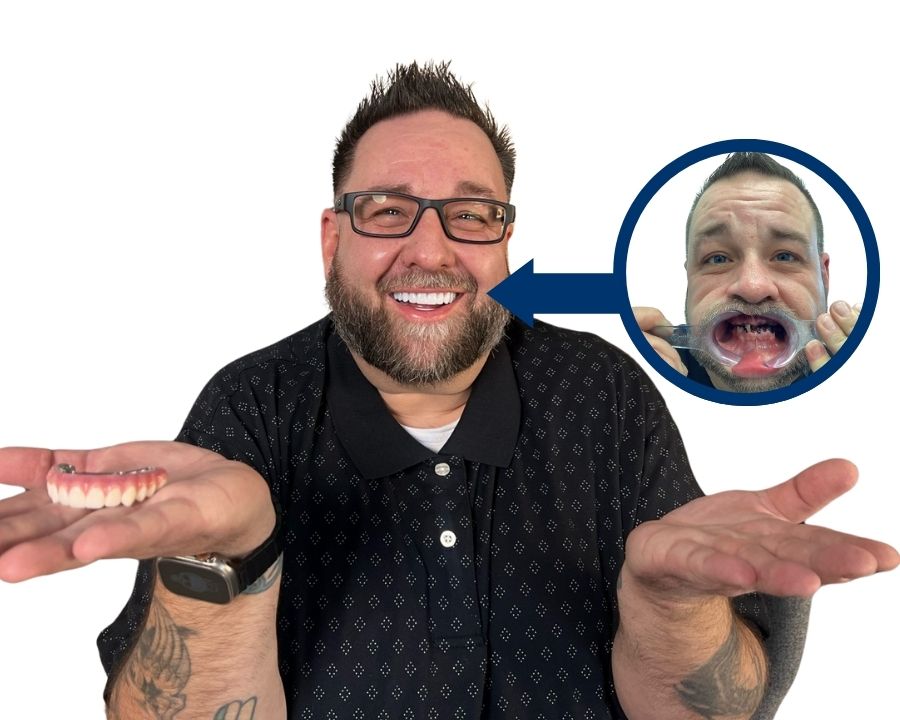
Like many people, her dental problems started young. Cold sensitivity. Wiggly teeth. Root canals beginning at age fourteen. Crowns that kept falling off. Dental anxiety she didn't even recognize as anxiety at the time — just a constant, low-grade dread around her teeth and what they were costing her, financially and socially.
"I would cover my mouth when I laughed or I would just laugh with my mouth closed. And if you're watching this video, you probably are there too."
When she finally reached the point of needing a full solution, she did what many people do: she went with the option that felt more immediate and affordable. She got dentures.
What Dentures Were Actually Like
The denture gave her a new smile the next day — and she'll acknowledge that. But the problems followed quickly.
The palate coverage was constant and uncomfortable. The gag reflex didn't go away. Food tasted different. And the dental appointments didn't stop — they just changed: relines instead of crowns, adjustments instead of fillings, but still sitting in that chair, still paying, still dealing with her teeth.
"You're just trading one problem for another because if you're in a denture for too long, you're gonna notice that you can't taste food. You're still having trips to the dentist... and the list just goes on and on and on."
Getting Implants — The Long Way First
Eventually she had enough bone density to qualify for implants and made the decision to move forward. But her first implant experience was the traditional process — months of try-ins, healing periods, shade changes, and lab timelines she had no control over. At one point her temporary cracked, sending a wave of fear that the whole process might have to start over.
"If you're going to have a major surgery, do you want to sign up for something that's going to take months and months and months? Or do you want the one that just takes twenty-four hours?"
Nuvia Changed Everything
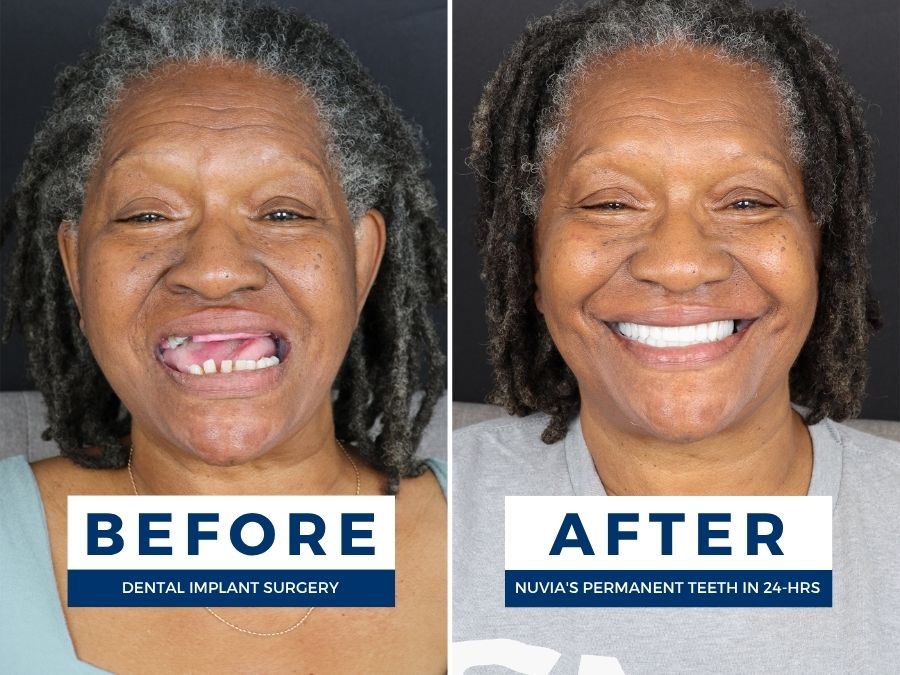
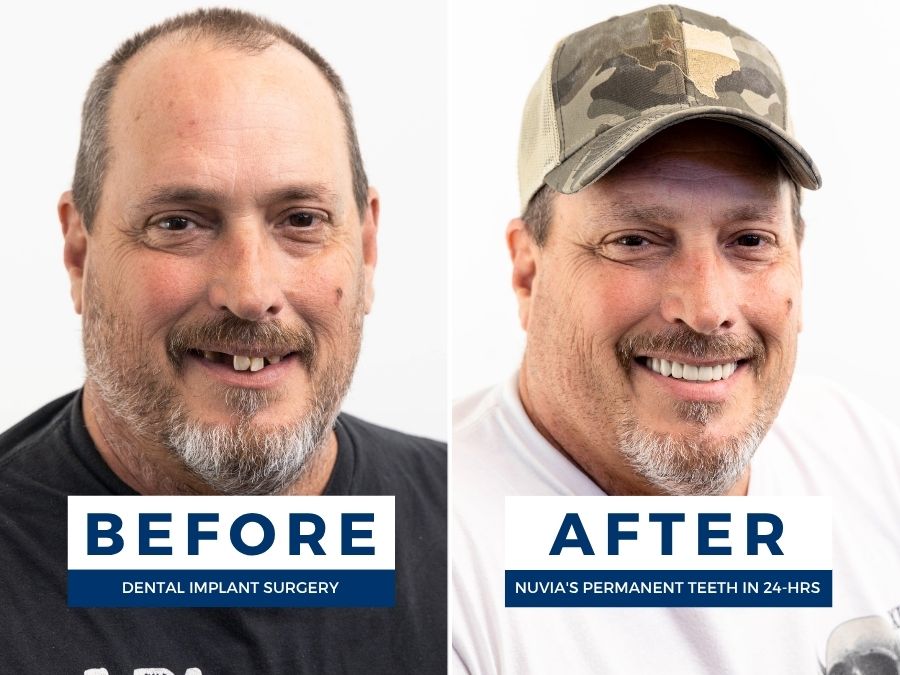
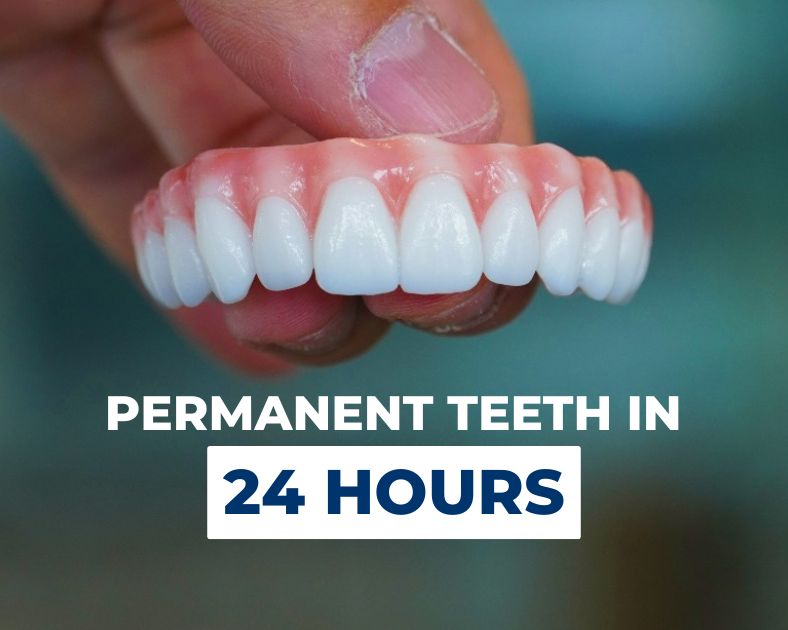
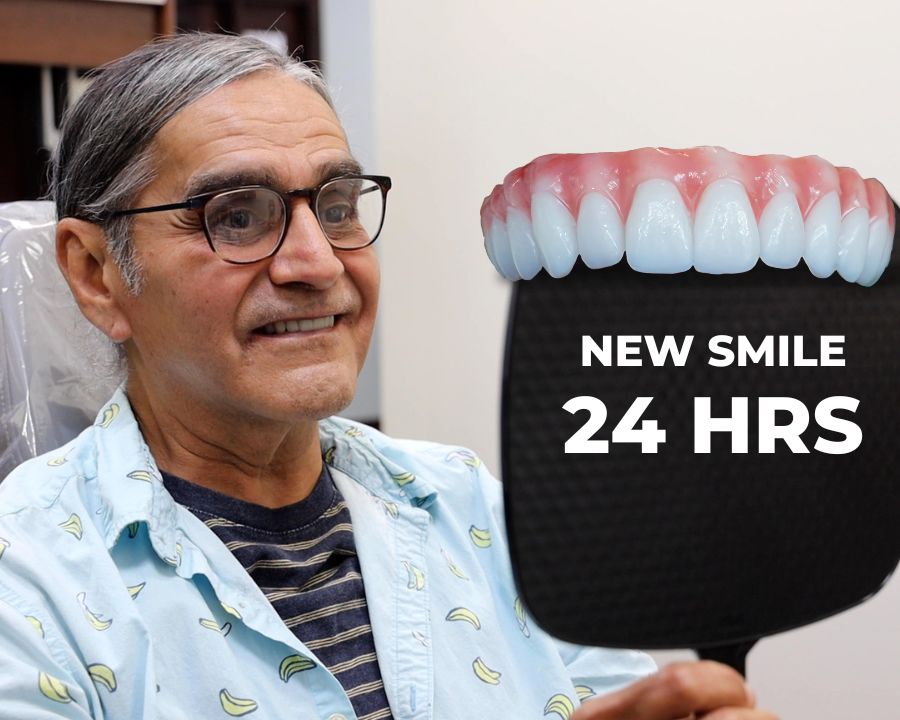
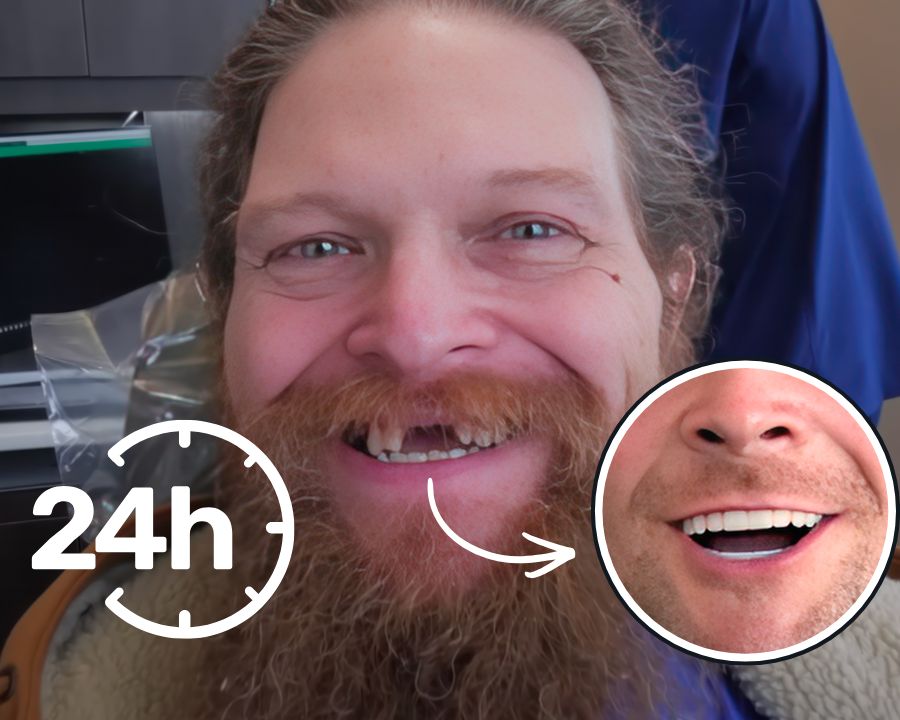
When she eventually came to Nuvia, the experience was complete. She was able to get a new set of permanent teeth in 24 hours. Not months — one day.
That experience changed her professional life too. She now works at Nuvia, specifically because she wanted to help people who are dealing with struggles similar to those that she faced.
"I personally, since I have dental implants, I know how that changes a person's life. And so I feel very fortunate that I get to do that on a daily basis."
Her story is a precise illustration of the full journey: years of dental anxiety and expense, dentures as a short-term fix, a long conventional implant process, and finally — Nuvia. If she could go back, she says, she would have checked her candidacy sooner, before bone loss became a factor.
"I wish someone would have told me that the clock was ticking."
Don't Wait Until the Window Closes
The most important thing to take away from this page isn't a number — it's a timeline. Bone loss is likely happening right now for anyone wearing dentures or living with failing teeth. It's silent, it's progressive, and it has a hard stop: once bone density falls below a certain threshold, implants are no longer an option, regardless of budget.
The best time to check your candidacy is today. A consultation takes less than an hour and tells you exactly where you stand — whether you're a strong candidate, whether you have time, and what your realistic options are.
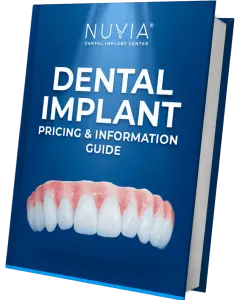
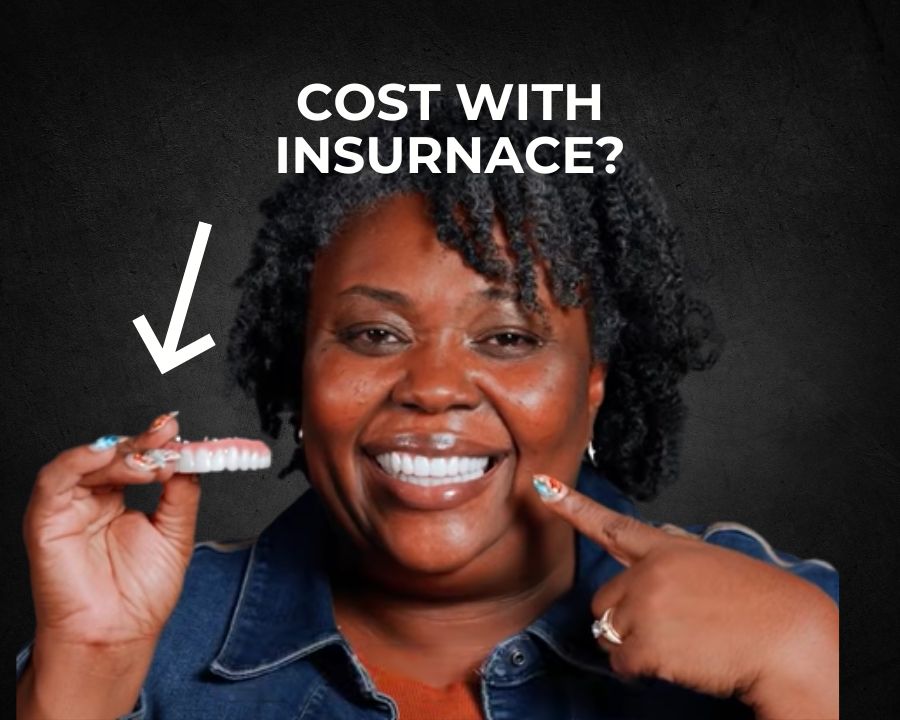
Nuvia also offers a free Cost Guide that gives you cost factors and breakdowns before you ever set foot in an office.
Find Out If You May Still be a Candidate — It Only Takes 60 Seconds
The free quiz below takes about a minute and gives you an honest first read on whether Nuvia's Permanent Teeth in 24 Hours process might be right for you. No payment, no commitment — just clarity on where you stand before more time passes.
Could You Be a Candidate for Permanent Teeth in 24 Hours?
Take the free 60-second quiz to find out — no commitment, no pressure, just answers.
→ Take the Quiz Now


.jpg)
















.jpg)

.jpg)
.jpg)
.jpg)
.jpg)
.jpg)
.jpg)
.jpg)
.jpg)

.jpg)
.jpg)
.jpg)
.jpg)
.jpg)
.jpg)