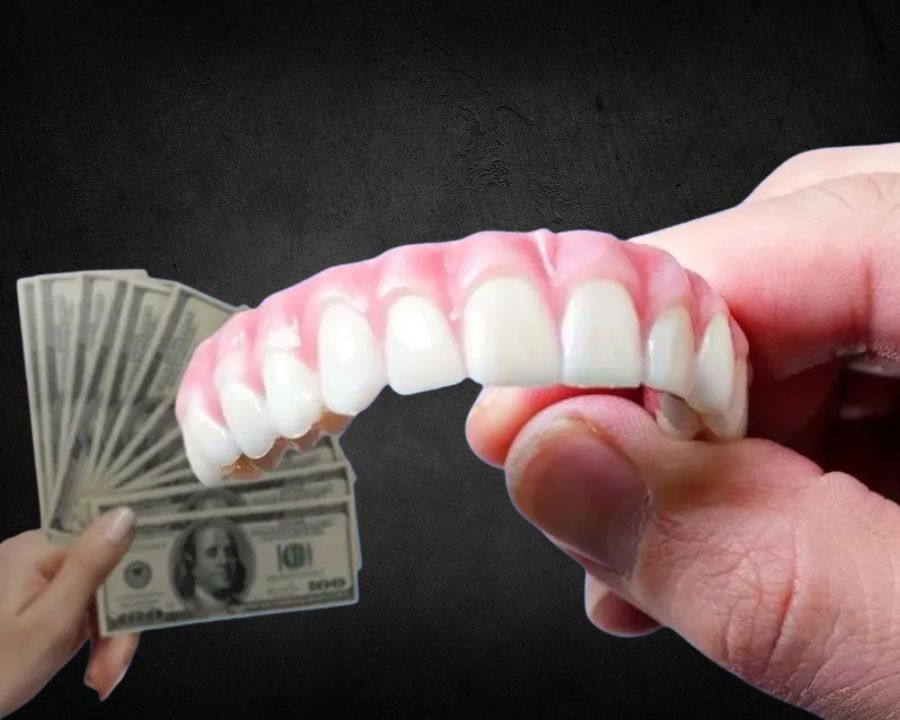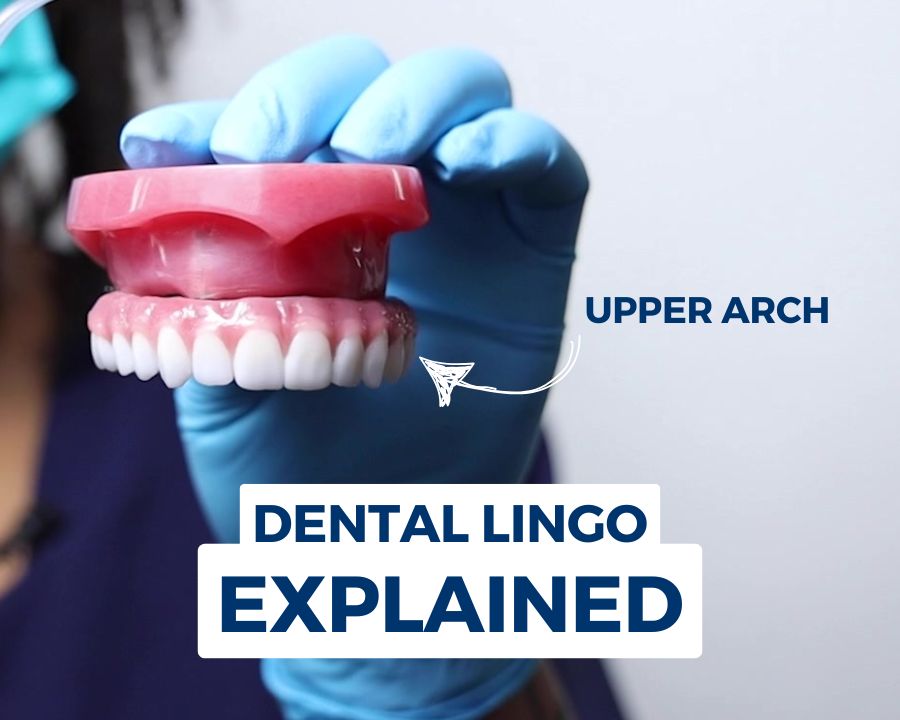



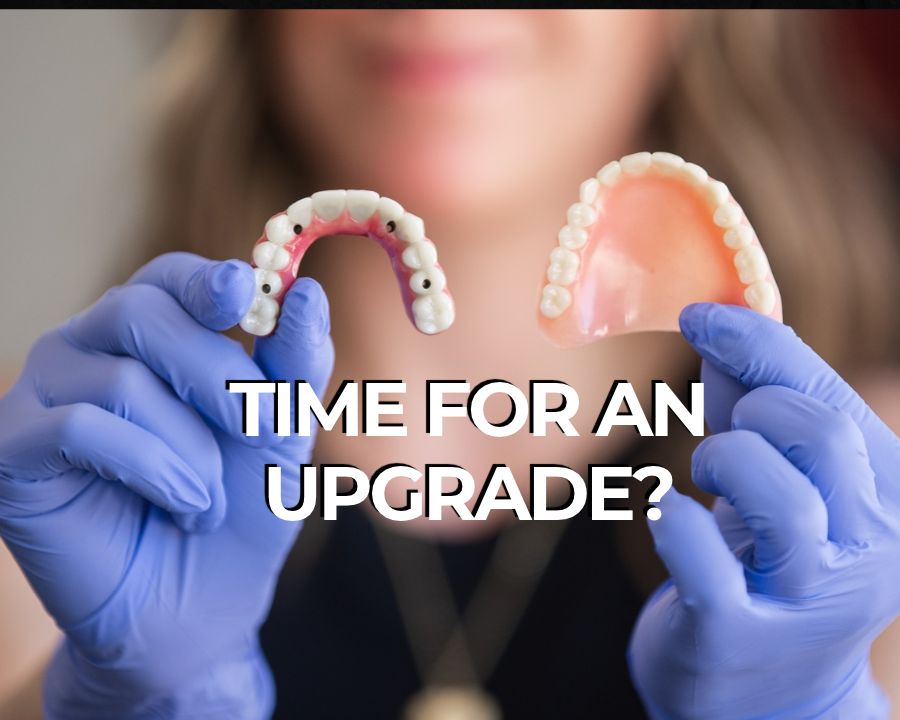
If you've been looking into tooth replacement, the word "overdenture" has probably come up. This article gives you a real answer on what an overdenture is, how it works, how long it lasts, and what the actual comparison looks like against permanent implants.
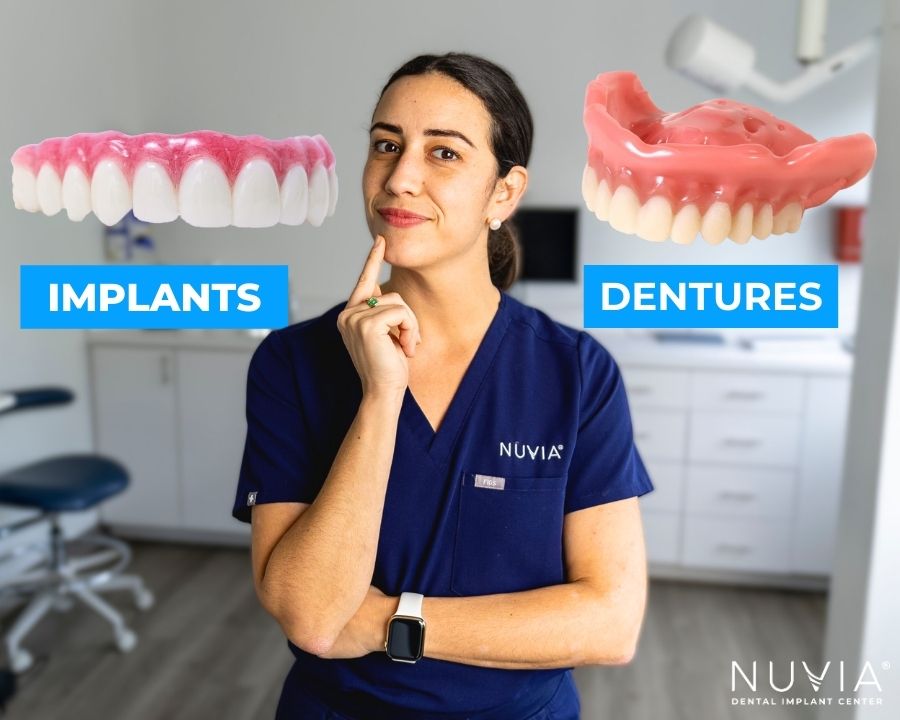
To put it simply, an overdenture is a removable denture that clips onto dental implants — or in some cases, onto a few remaining natural teeth. The implants go into your jawbone first. Once they heal, the denture snaps onto them. When you sleep or want to clean it, you take it out.
Can You Put Dentures Over Teeth?
Yes — that's where the name comes from. An overdenture sits "over" something, and that something can be either remaining natural teeth or implants placed specifically for that purpose. Your dentist would prepare the teeth or place the implants, and then fit the denture to snap over them.
Most people who pursue this option today go the implant route. Implants are more stable, and they help preserve the jawbone where they're placed — something regular dentures can't do at all.
What Is an Implant Overdenture?
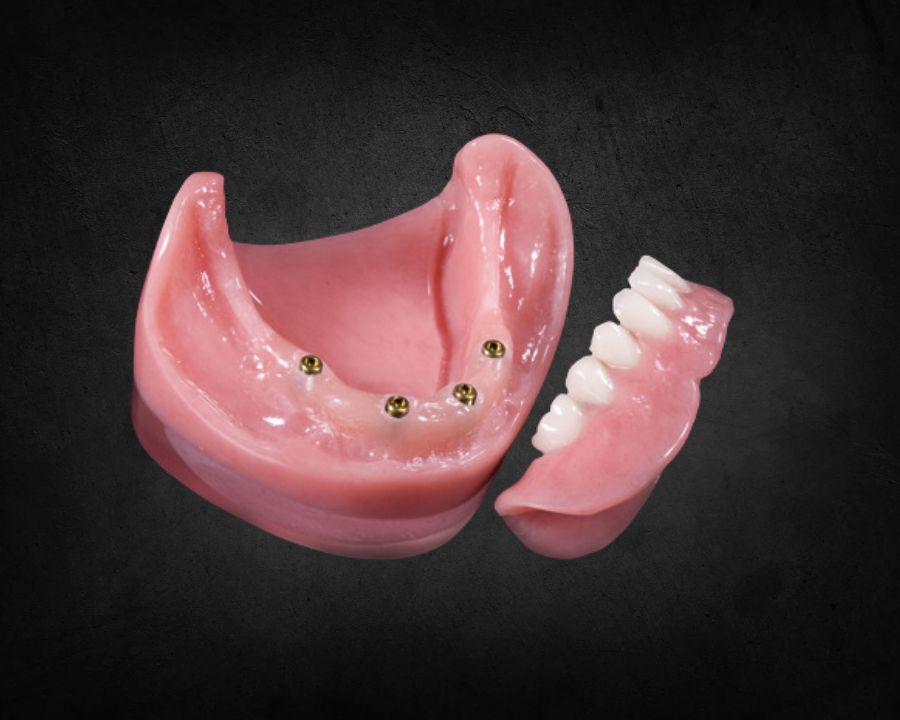
An implant overdenture uses two to four implants per arch as anchors. Each implant is a small titanium post placed in the jawbone during surgery. After the implants heal and bond with the bone — a process called osseointegration — the denture is fitted with attachment clips that snap onto them.
This is typically a huge upgrade of a standard denture. It doesn't slide when you eat. You're not using adhesive. Talking often feels more natural. The denture stays locked in place through the day.
The catch: you still remove the overdenture every night to clean it, and it still lives in a glass of water while you sleep. It’s also likely for the denture to experience wear and tear from being put on and taken off so frequently. For a lot of patients, that's the part they didn't fully think through before committing.
What’s the Difference Between an Overdenture and Permanent Teeth in 24 Hours?
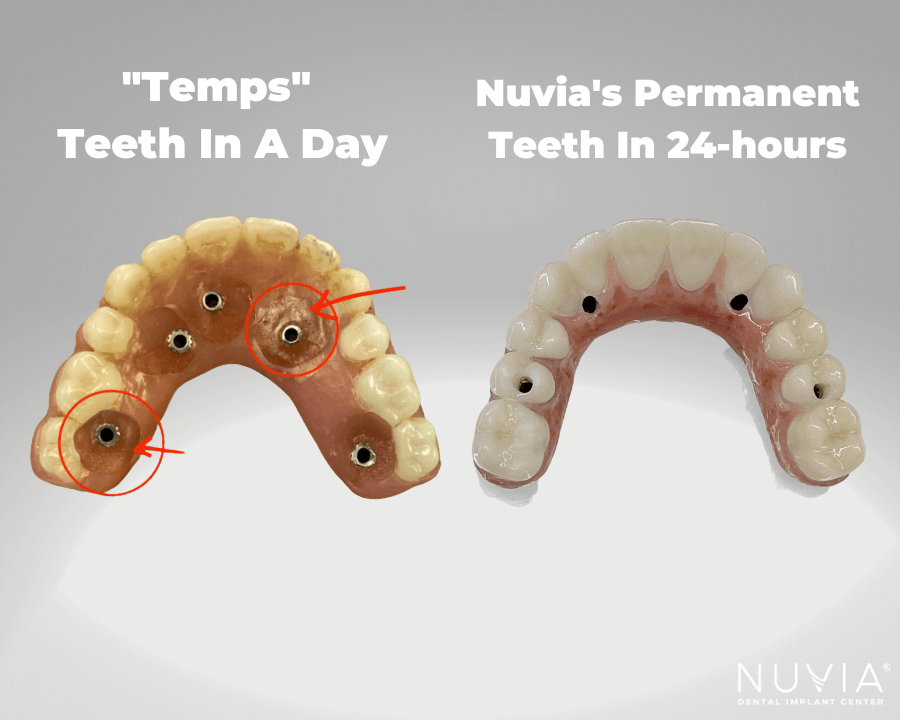
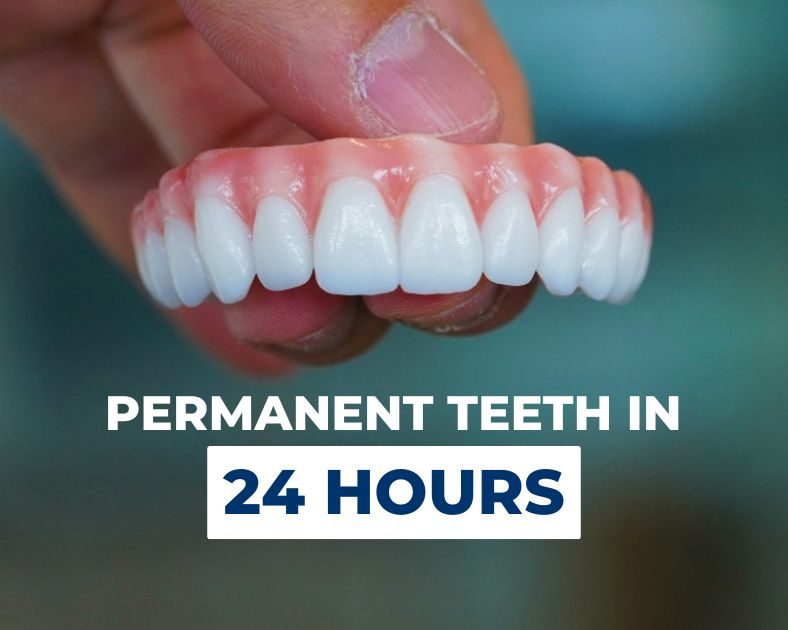
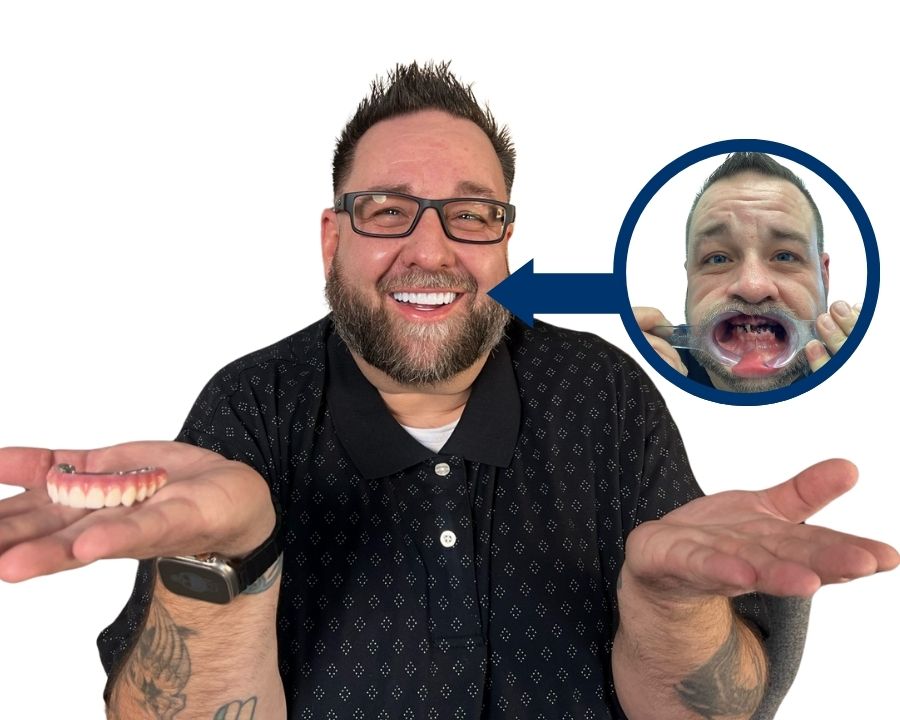
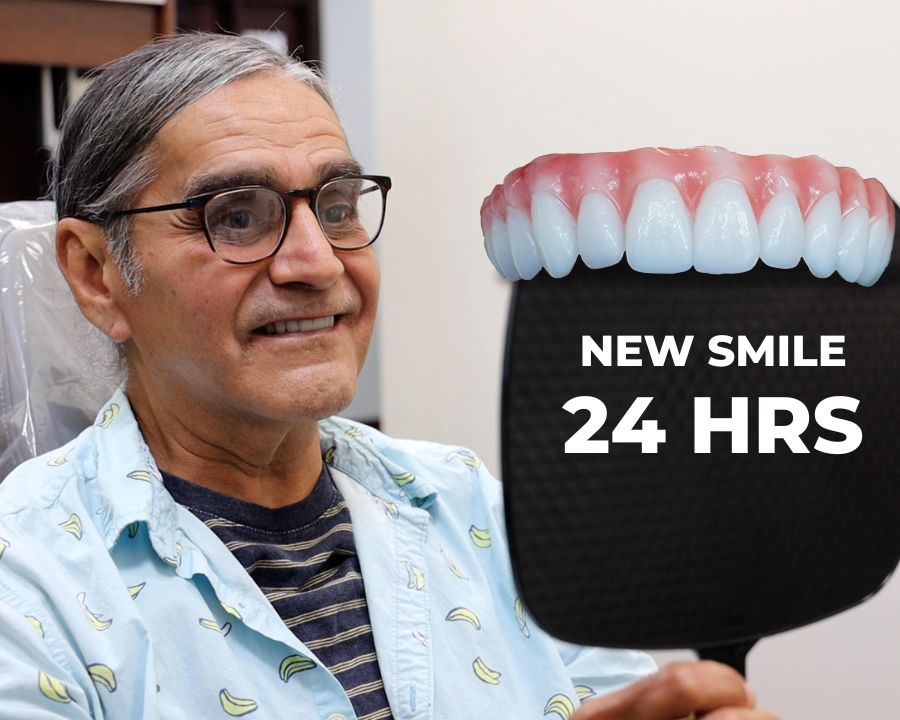
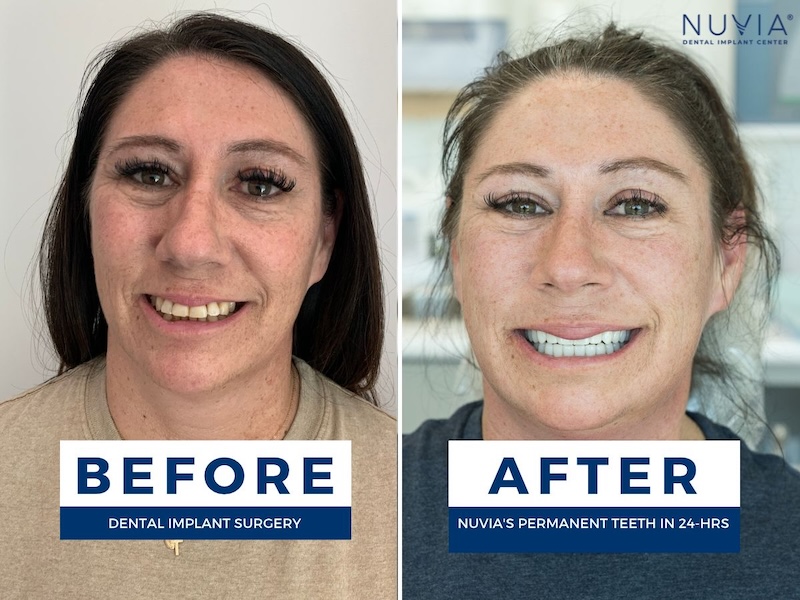
Nuvia’s permanent teeth in 24 hours are a full top or bottom sets of natural looking teeth made from zirconia. They’re designed to last a lifetime with proper care and are held in place by 4 or more dental implants (per top or bottom arch).
Since an overdenture often uses dental implants, one of the main differences between the two are that Nuvia’s zirconia teeth are non-removable and are a permanent solution. Overdentures are removable, experience wear and tear when attaching and detaching, and will likely require replacements every so often.
If you’re looking for something permanent and lasting, Nuvia’s permanent teeth in 24 hours may be the solution you’re looking for.
How Long Do Implant Overdentures Last?
There are two parts to this answer.
The implants themselves are the long game — with proper care, they can last 20 years or more. That's the good news.
The denture sitting on top of those implants is a different story. Because it's made of acrylic — a high-grade plastic — it absorbs water, can stain, and wears down over time. Most overdentures need to be relined or fully replaced every five to ten years. Sometimes sooner if you have strong jaw muscles or grind your teeth.
The part that wears out fastest is the clips. Those small plastic inserts that hold the denture to the implants typically need to be swapped out every one to two years. Each swap is a minor appointment, but it's a recurring one you'll be scheduling for the life of the denture.
So the full answer to how long do implant overdentures last: the implants themselves hold up well, but the denture and its attachments usually need ongoing attention and eventual replacement.
When you compare this to a non-removable set of zirconia teeth, you don’t get the same type of wear, staining, or need for replacement. When you’re halfway to a permanent solution with dental implants, you may as well skip the overdenture and get a set of teeth that is created to be durable and lasting.
What Life With an Overdenture Actually Looks Like
For most patients during the day, an implant overdenture feels dramatically better than a regular denture. It doesn't float around. You can eat most foods with less worry about it coming loose.
But there are limitations worth understanding before you go in. Chewing power with an overdenture is typically 50 to 60 percent of what natural teeth can do. More than a traditional denture, but it still can mean that some foods are still off the table. Hard bread, tough cuts of meat, anything that needs real bite force can still be a problem.
And at the end of every day, the teeth come out, you’ll clean them separately and they don't stay in your mouth overnight. For some patients that's completely fine. For others — the ones who want to feel like they have their real teeth back — it can disrupt the illusion.
Is an Overdenture Right For You?
An overdenture can be a good step up from regular dentures. It can make sense if keeping the upfront cost low is your top priority and you don’t mind taking your teeth out at night.
Some people are happy with that tradeoff for years.
Before you decide, think about what you want your teeth to feel like five or ten years from now. Do you want to keep managing them with nightly cleanings, clip changes, and a new denture down the road? Or do you want teeth that stay put so you can stop thinking about them?
If you’re hoping for teeth that stay in, the next step is finding out if you may be eligible for permanent full mouth dental implants. Take the free 60-second quiz. It takes about a minute, and every month you wait is another month of putting up with teeth you’re not happy with.