

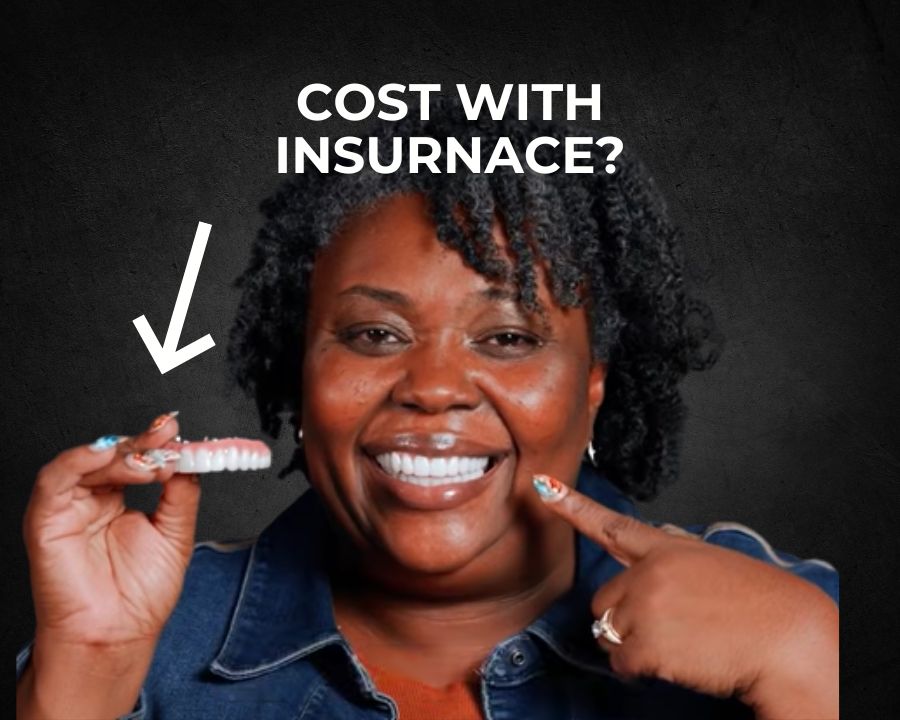
Here is the straight answer to how much Nuvia dental implants cost with insurance: insurance almost never covers full mouth dental implants. Not dental insurance, not medical, not Medicare and not Medicaid.
It’s an honest question to ask when it seems like hundreds of thousands of people are somehow able to afford dental implants - surely some are using insurance? The truth is that dental implants can actually be more affordable than you may be thinking.
Here’s what to know about insurance and dental implant coverage and how you can get a brand new smile while sticking to a budget.
What Dental Insurance Will (and Won't) Do
Most dental insurance plans have an annual maximum — usually somewhere between $1,000 and $2,000. That's the most they'll pay out in a year, for everything combined. A full arch of permanent implants is an investment in your smile and your long term health - it costs significantly more than that.
Some plans cover a portion of certain procedures — extractions, maybe a crown here and there. But full arch implant surgery? That's almost always excluded. Insurance companies classify it as elective, cosmetic, or simply outside the scope of what the plan covers.
Even if you have a premium dental plan, don't expect it to make a meaningful dent in the cost of full mouth implants.
This can be incredibly frustrating when you’re dealing with failing or missing teeth and getting a new smile is even more functional than cosmetic. The good news is that even though insurance can be confusing and frustrating, it doesn’t even need to be part of your journey to a new smile.
What About Medical Insurance?
Medical insurance is a different conversation — but doesn’t mean that it changes much for those wondering how much Nuvia Dental Implants cost with insurance. In rare cases, medical plans have covered procedures that are medically necessary, like extractions related to a documented health condition. But the implants themselves? The new set of teeth? Almost never covered under medical insurance either.
It's worth a call to your provider to ask specifically what they cover related to oral surgery. Just go in with realistic expectations but it’s incredibly rare for this procedure to be financed through insurance.
Medicaid
Medicaid dental coverage varies a lot depending on which state you're in, and most states limit it to basic care — cleanings, fillings, emergency extractions. Full arch dental implants fall outside what Medicaid covers in virtually every state.
Medicare
Original Medicare (Parts A and B) does not cover routine dental care or dental implants. Some Medicare Advantage plans include limited dental benefits, but even those rarely cover implants — and when they do, the coverage amounts are small relative to the total cost.
If you have Medicare Advantage, it's worth checking your specific plan. But plan for it to cover little to nothing on a full arch case.
How Nuvia Patients Actually Pay for Dental Implants
Shifting the question from “how much does Nuvia dental implants cost with insurance” to “How do Nuvia patients pay for dental implants” gives us an actually helpful answer: financing.
92% of Nuvia patients use a monthly payment plan. Most pay somewhere between $250 and $900 a month, depending on their case and what they qualify for. Multiple lenders are available, and Nuvia works with co-signer options for patients who need them.
The number you'd actually pay each month is something you find out at your consultation — before you commit to anything. There's no pressure, no surprise fees, and the price Nuvia quotes you is the price you pay. All-inclusive.
For a lot of patients, the monthly payment ends up being less than what they were spending managing failing teeth — crowns, root canals, extractions, adjustments on dentures that never quite fit right. When you add all of that up over the years, implants often cost less in the long run.
The Fastest Way to Know Where You Stand
The 60-second quiz is where you start. It takes less than a minute and tells you right away whether you may be eligible. With the cost of living only ever going up and your oral health in question, there's no better time to find out if this might be an option for you.




.jpg)