

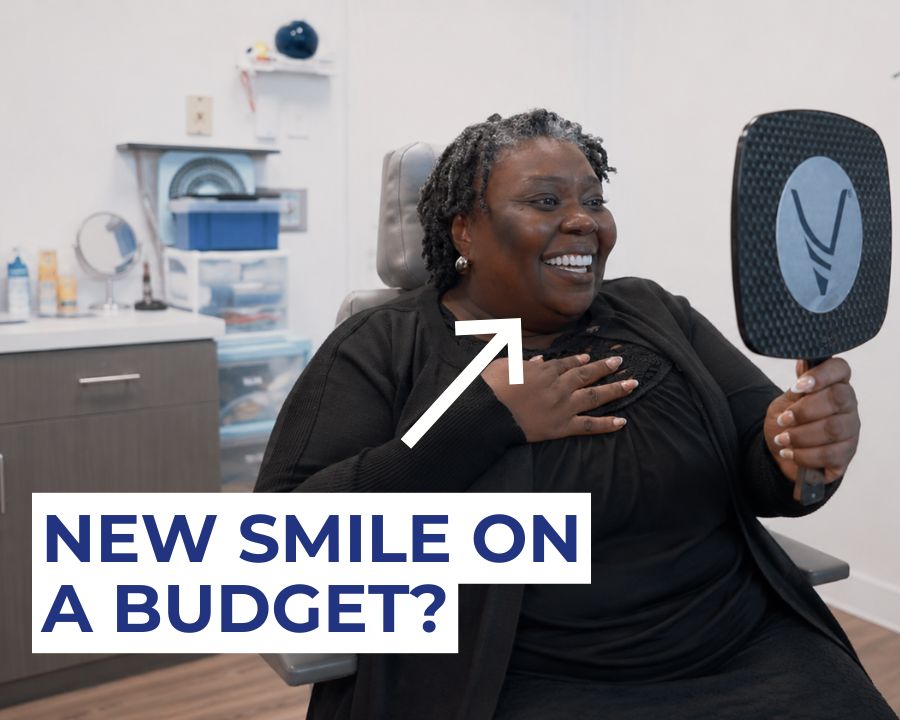
The assumption is nearly universal: dental implants are expensive, so they must be out of reach. Most people stop right there — before they've looked into a single one of the ways the actual cost can come down.
Before you write it off, here's what's worth knowing.
Insurance Usually Won't Cover the Full Procedure
Dental insurance typically doesn't cover full mouth dental implants. Some plans may contribute toward related procedures like extractions, but for the implants themselves, most patients shouldn't count on meaningful coverage.
That said, it's still worth a quick call to your provider to understand exactly what your plan does and doesn't include — so you can plan around the real number rather than guess at it.
If You Have an HSA or FSA, You Can Use It
Health Savings Accounts and Flexible Spending Accounts can both be used toward getting dental implants. These accounts let you set aside pre-tax earnings for medical and dental expenses. This essentially means you’re paying with money the government hasn't taxed yet which can help implants feel more affordable.
If you're contributing to one of these accounts and haven't thought about applying it to dental implants, check your balance. For some patients, it could cover a meaningful chunk of the cost.
Dental Implants May Be Tax Deductible
If your out-of-pocket medical costs (including getting dental implants) are more than 7.5% of your adjusted gross income for the year, you may be able to deduct them as a medical expense on your federal taxes. Most people don't know this is even a potential option. It's worth a quick conversation with your tax professional to find out if it applies to your situation — it can make a real difference in what you end up paying.
Why Some Providers Seem Cheaper — and What That Usually Means
When people shop around and find a lower price somewhere else, the difference usually comes down to a few things: the experience of the surgical team, the quality of the materials, whether anesthesia is included, whether there's an in-house lab doing the work, and what's actually covered in follow-up care.
A lower quote often means one or more of those things is billed separately — or isn't there at all. Before comparing numbers, it's worth asking exactly what's included in each price. An all-in quote and a base quote aren't the same thing, even when they look similar on the surface.
What "Waiting Until You Can Afford It" Actually Costs
Waiting to get treatment often has its own price tag.
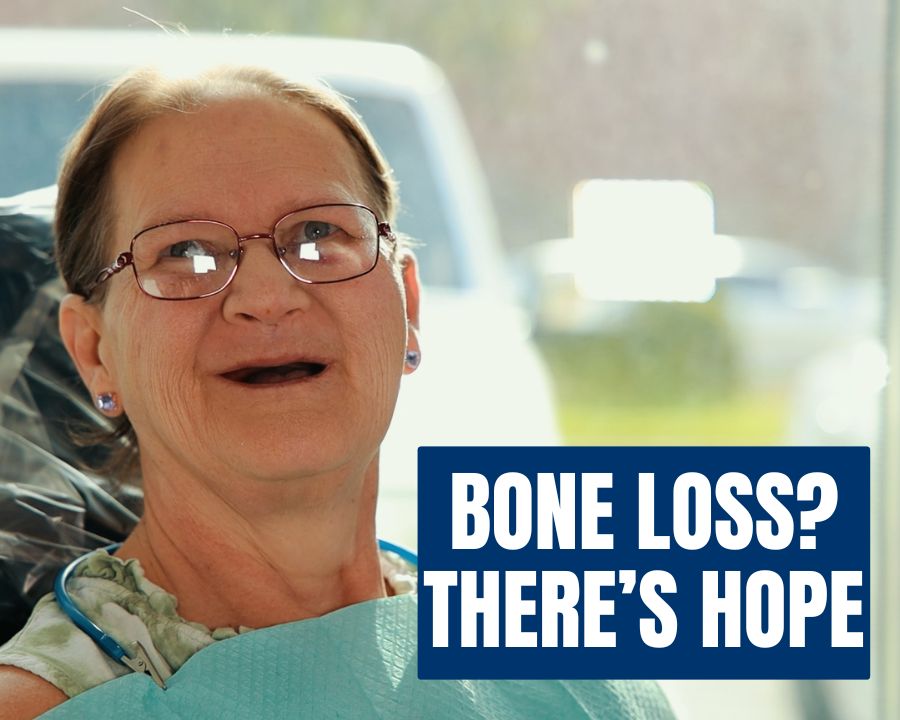
When teeth are missing, the bone underneath can start to shrink. This isn’t something that you can feel happening, but eventually you can start to see bone loss change your face structure. Over time, that bone loss makes surgery more complex — and in some cases, eventually rules out full-arch implants without additional procedures first, costing more than if a patient didn’t wait.
Every year of waiting is also potentially another year of temporary fixes, emergency visits, crowns that fail, or root canals that don't hold. Those costs can stack up fast. A lot of people trying to save up find that the total number can actually get higher the longer they wait, not lower.
So — Is It Actually Out of Your Budget?
You’ll never know until you get the details about your specific case.
Between down payments, HSA and FSA dollars, possible tax deductions, and financing that spreads the cost across manageable monthly payments, the actual out-of-pocket picture often looks quite different from the number people first see.
The quickest way to know what you're really working with is to find out if you're a candidate first, then have a real conversation about the numbers at your consultation. Most people are surprised by what's actually possible.
Take the 60-second eligibility quiz →




.jpg)